

Description
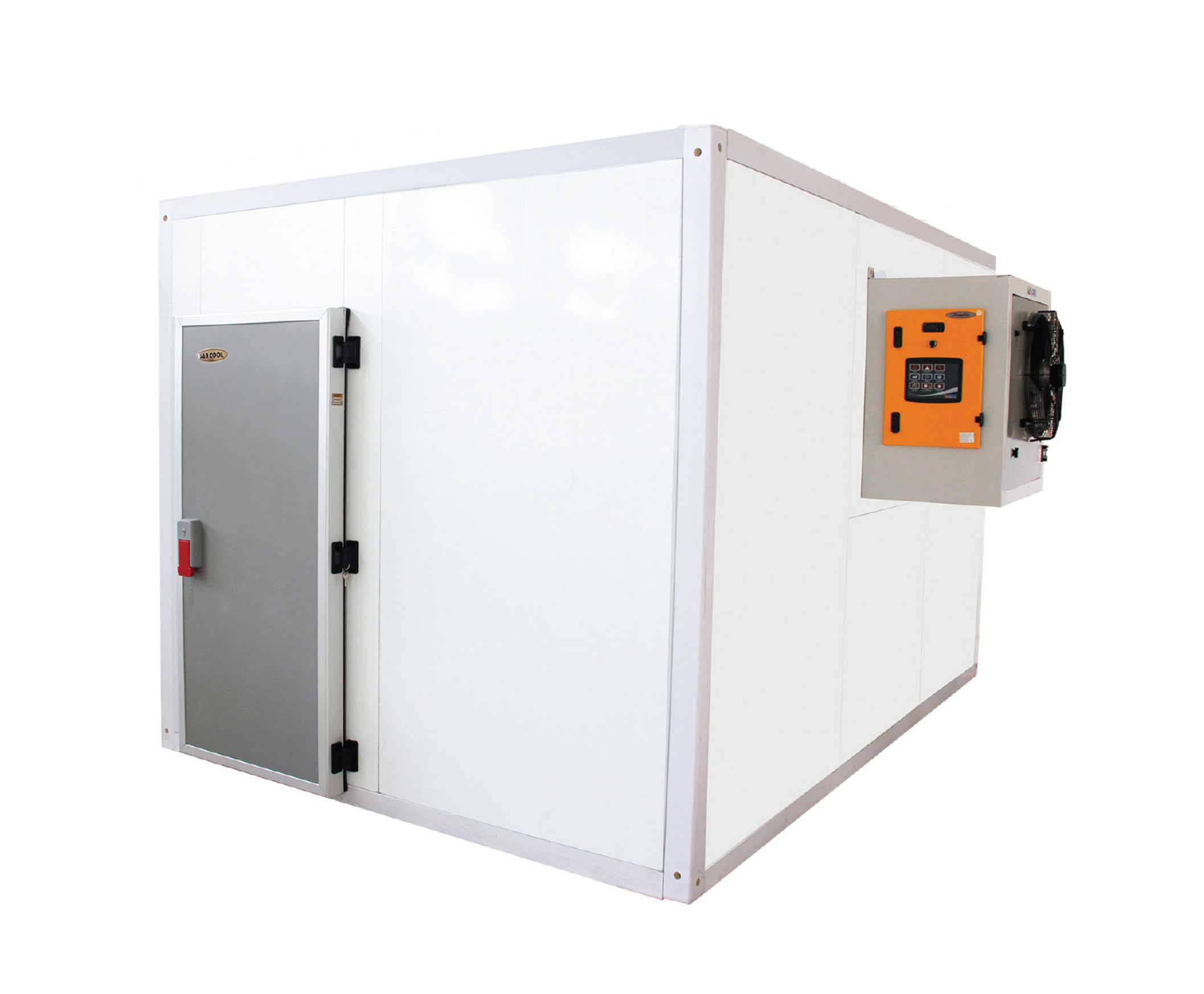
Cold rooms are the most popular option for fast food storage. There are multiple choices when selecting cold rooms. Not all projects can use the same freezer size. Each project has its own specific requirements, so different cold room specifications are needed for each case.
A cold room is a storage space where a specific temperature is artificially maintained. It is usually designed to store products in an environment with a temperature lower than the outside temperature.
Products that require cold storage include fruits, vegetables, seafood, meat, and flowers.
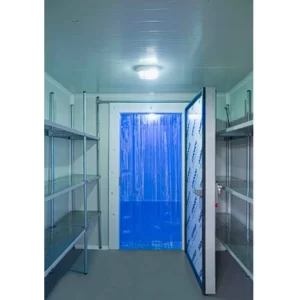
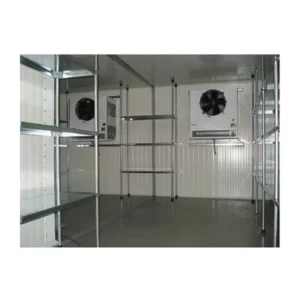
Cold rooms have insulated walls and a refrigeration unit. The room is surrounded by insulated panels, and the refrigeration unit is responsible for cooling the internal space.
The first cold storage rooms were called snow pits. These were pits with retaining walls in different sizes, with openings where snow was inserted and ice was extracted. The goal was to preserve ice even when the snow melted.
Sabcool Cold Room Features
Sub-zero and above-zero cold rooms in different dimensions up to 6 meters height, suitable for blast freezing tunnels
Suitable for different climate conditions
Fast assembly and disassembly capability
Quick and easy installation
Equipped with strong UPVC structural frame
Available with galvanized or stainless steel sheets
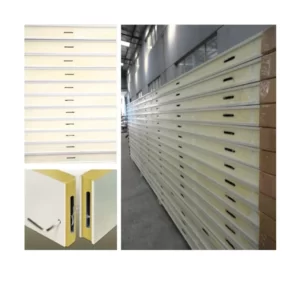
Panels with 40 Kg/m3 density in 8, 10, and 15 cm thickness
UPVC cover used for better strength and insulation
Can be equipped with monoblock or split refrigeration systems
Cold Room Size Calculation
Product Type: The type of product stored (food, pharmaceuticals, chemicals, etc.) determines cold room size.
Required Capacity: You must determine how much product volume you need to store, usually measured in cubic meters.
Cooling System Type: Choosing the cooling system (low temperature freezers, compressor systems, or split systems) helps determine cold room size.
Temperature Conditions: Required internal temperature and surrounding ambient temperature must be defined.
Other Factors: Temperature change rate, lighting factors, ventilation systems, zoning requirements, and other conditions can affect cold room sizing.
For more accurate calculation using engineering formulas, it is recommended to consult a cold room design specialist who can calculate the exact size based on your specific requirements.
Important Points Before Buying a Cold Room
Product Type: Check what type of products will be stored. Different products need different temperature and humidity conditions.
Capacity and Size: Make sure the cold room has enough storage volume and working space for product handling.
Cooling Performance: Ensure the refrigeration system can maintain stable temperature with optimized energy consumption.
Insulation and Doors: Make sure insulation panels and doors effectively prevent heat transfer and maintain internal temperature and humidity.
Temperature Control: The control system must be reliable and capable of precise temperature monitoring and adjustment.
Build Quality and Strength: The structure must be strong and durable against environmental and operational conditions.
Maintenance and Service: Ensure the supplier provides maintenance services and reliable after-sales support.
Regulations and Standards: Make sure the cold room complies with local and international regulations and standards.
Before purchasing, you can contact Sabcool technical consultants for detailed guidance and professional consultation regarding cold room selection.
Reviews
There are no reviews yet.